Stop the Scroll: Designing Social Media Covers That Convert
Every brand, whether a bustling local gym, an ambitious startup, or a seasoned service provider, faces the same digital hurdle: grabbing attention in a sea of endless content. You have a valuable offering, a distinct message, and a story to tell, but without the right visual hook, your audience swipes right past. The difference between a forgettable post and one that sparks engagement often lies in the visual wrapper—the banner, the cover, the graphic that frames your message. This is where a strategic, well-crafted visual asset becomes your most powerful marketing tool, transforming standard updates into compelling brand statements.
Beyond the Basics: What a Professional Template Set Offers
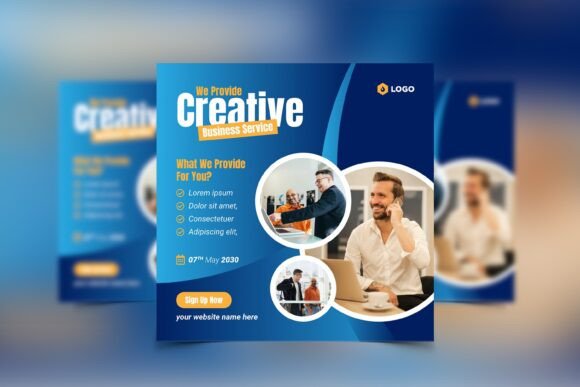
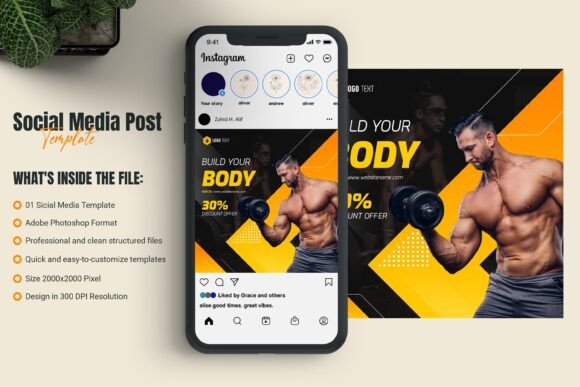
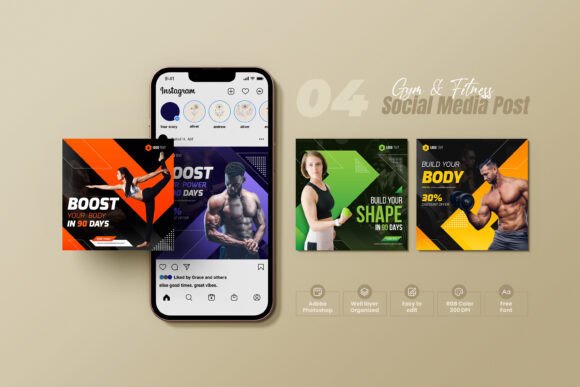
A truly effective social media asset isn't just a pretty picture. It's a system designed for consistency, quality, and adaptability. Consider a template set built as a PSD document, engineered for specific platform specifications. The value here is in the details: a resolution of 300 DPI ensures your graphics look crisp on any screen, while the RGB color mode is optimized for digital display. The 2000x2000 pixel canvas provides ample space for creativity without sacrificing clarity, and a fully editable structure means you're never locked into a single design. Using a professionally structured file with a clean layout saves countless hours, allowing you to focus on your core message rather than wrestling with software.
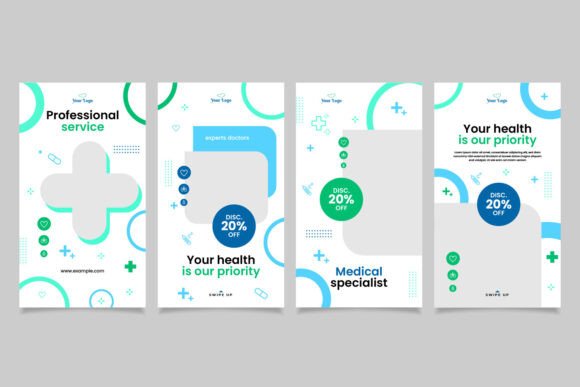
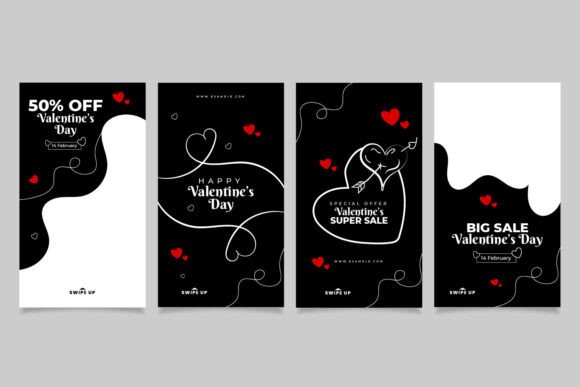
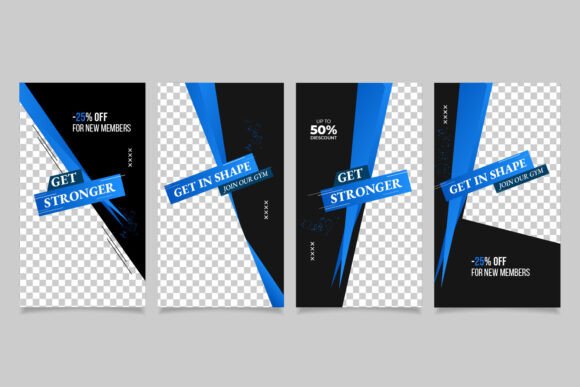
This kind of design asset is more than a shortcut; it's a foundation. It includes a set of coordinated templates—perhaps four distinct but harmonious designs. This allows for variety in your content calendar while maintaining a unified visual language. Whether you're announcing a new product, promoting a seasonal sale, or sharing a customer testimonial, the templates provide a starting point that already understands balance, typography, and visual hierarchy. The inclusion of a free font, paired with a professional and clean structure, means the final output looks polished and intentional, which is crucial for building trust with your audience.
Strategic Applications: From Gym Promotions to Brand Campaigns
The true power of a versatile template set is its ability to adapt to your specific goals. Think about the needs of a gym owner. A vibrant, high-energy cover banner can announce a new class schedule, showcase member transformations, or promote a limited-time membership offer. The clean structure ensures the text is readable over action shots, and the editable layers make it simple to swap out images and adjust colors to match seasonal branding.
For a startup or established company, these templates become a central part of your marketing toolkit. Use them to launch a new service with a cohesive campaign across Facebook, Instagram, Twitter, and LinkedIn. Each platform has its own unwritten rules for visual appeal, and a template designed for these specifications takes the guesswork out of sizing. The same design core can be adapted to announce a webinar, share a whitepaper, or highlight a key piece of company news, ensuring your brand identity remains consistent whether a follower sees you on a professional network or a casual feed.
The applications extend into nearly every facet of visual communication:
- Social Media Graphics: The most direct use. Create weekly content, event promotions, and story highlights that look cohesive and professional.
- Marketing Assets: Design consistent visuals for email headers, digital ads, and online brochures that reinforce your campaign messaging.
- Brand Identity: Establish a recognizable visual style that carries through all your digital touchpoints, building familiarity and trust.
- Digital Products & Invitations: Use the template framework to create elegant digital invitations for virtual events or stylish covers for e-books and guides.
This approach ensures that every piece of content you publish contributes to a larger, more professional narrative about your brand.
Designing for Impact: Practical Tips for Customization
Having a great template is the first step; customizing it effectively is what drives results. Start with your brand's core colors and typography. Swap the placeholder text with your headline, ensuring it's concise and action-oriented. The goal is to communicate value in a split second. For a sales promotion, lead with the benefit—"Save 30% This Weekend"—not just the announcement.
Imagery is your next lever for impact. Choose high-quality photos that resonate with your target audience. A fitness brand might use dynamic, aspirational shots, while a tech startup might opt for clean, abstract visuals or team photos. Because the template is built on a high-resolution canvas, you can use detailed images without worrying about pixelation. Use the editable layers to adjust the opacity of a background image or add a subtle color overlay to ensure your text remains the focal point.
Don't overlook the importance of visual hierarchy. Use the template's structure to guide the viewer's eye. Make your primary offer the largest text element. Use a contrasting but complementary color for your call-to-action button. If the template includes multiple design styles, use them strategically—perhaps one layout for announcements and another for informational posts—to create variety while maintaining a cohesive brand feel across your social media graphics.
Ensuring Cohesion Across Every Platform and Project
One of the greatest challenges in digital marketing is maintaining a consistent brand identity across diverse platforms and projects. A unified template set directly solves this. When your Facebook cover, Instagram post, and LinkedIn banner share the same design language—similar color palettes, typography, and compositional style—it subconsciously reinforces your brand's professionalism and reliability to your audience.
This principle of cohesion extends far beyond social media. The same design sensibility applied to your social media graphics can inform your packaging design, website banners, blog headers, and even print materials like posters and flyers. Using the template as a starting point for a logo design exploration or an editorial layout for a brochure ensures that your brand's visual voice is harmonious. It’s about creating a seamless experience for your customer, whether they encounter you online, in an email, or in a physical space. This level of consistency is a hallmark of mature, trustworthy brands and is a tangible way to elevate your marketing efforts.
By investing in a structured, high-quality design system, you're not just buying a set of files. You're adopting a framework for clear, consistent, and compelling visual communication that can scale with your business, engage your audience, and make every piece of content work harder for your goals. The right tools don't just make design easier—they make your message stronger.