Design Your Interior Design Instagram Stories with Ease
Let’s be real—your Instagram feed is your digital portfolio, and for those of us in interior design, architecture, or home staging, the aesthetic has to be flawless. But while you’re busy sourcing vintage rugs and picking the perfect shade of "Greige" for a client’s accent wall, creating daily content often falls to the bottom of the to-do list. You need a way to maintain that high-end look without spending hours in front of a screen. That is where having the right design assets comes in, specifically a versatile set of templates that act as a foundation for your visual storytelling.
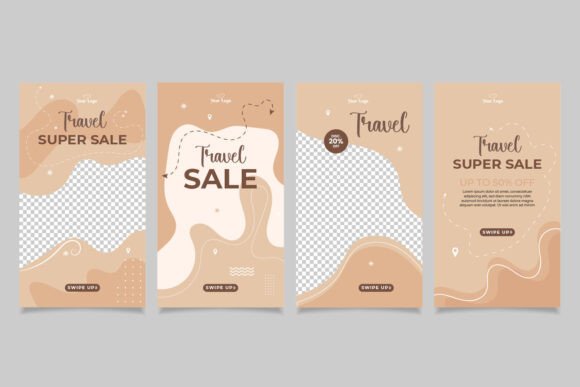
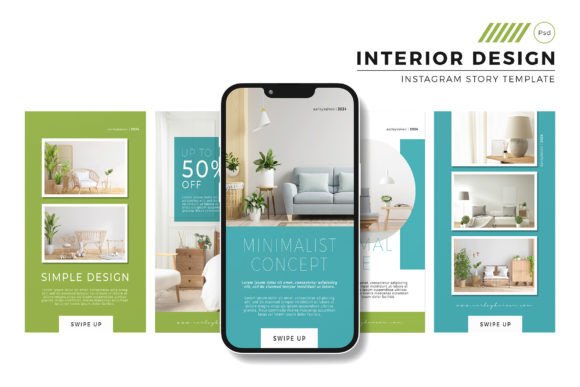
Imagine having a toolkit specifically curated for the "Interior Design Instagram Story" workflow. We are talking about a collection of 10 clean, professional layouts designed to fit the 1080x1920 pixel standard perfectly. This isn't just about pretty pictures; it’s about workflow efficiency. When you have a PSD file ready to go, you aren't starting from scratch every time you want to announce a new project reveal or share a tip about lighting. You are working within a structured system that ensures your typography and layout remain consistent, which is the secret sauce to building a recognizable brand.
The Power of Visual Consistency in a Crowded Feed
Consistency is the bridge between being a hobbyist and being a recognized professional. When a user taps through your stories, they should immediately know it’s you, even without seeing your profile picture. This is achieved through a disciplined approach to modern typography and layout structure. By utilizing a pre-designed framework, you lock in your margins, your text placement, and your visual hierarchy. This creates a rhythm that is pleasing to the eye.
Think about the practical applications beyond just showing a finished room. You can use these assets for:
- Brand Identity: Establishing a color palette and font style that becomes synonymous with your name.
- Marketing Assets: Creating announcements for flash sales on vintage furniture or promoting an open house event.
- Social Media Graphics: Sharing quick tips on "How to Style a Coffee Table" with text overlays that are actually readable.
- Digital Products: If you sell mood boards or e-books, you can tease them using professional mockups.
The goal here is to stop the scroll. In the fast-paced environment of Instagram, you have about three seconds to capture attention. A clean, 300 dpi design ensures that your images are crisp and your text is legible, signaling to your audience that you pay attention to the details—exactly the quality they want in a designer.
Practical Applications: Beyond the Basics
You might think a template is just for posting a photo with a caption, but the versatility of a high-quality PSD file extends much further. Because these files utilize smart objects, swapping out images is incredibly simple. This flexibility allows you to adapt the templates for a wide variety of content needs without needing advanced graphic design skills.
Consider the entrepreneur selling handmade ceramics or custom furniture. You aren't just posting photos of the product; you are selling a lifestyle. You can use these story designs to create editorial layouts that feel like they belong in a magazine. Use them for packaging design teasers, showing a close-up of your label with a text overlay explaining the materials used. Or, if you are a blogger, use them to create invitations for a virtual workshop or a "link in bio" call-to-action that actually drives traffic.
Here are a few ways to maximize these assets for commercial use:
- Client Pitches: Before you even start the project, use the templates to mock up how the final reveal will look on social media. It shows foresight and professionalism.
- Testimonials: Take a screenshot of a happy client’s text or email and place it into a clean, branded story template. It adds credibility without looking cluttered.
- Behind the Scenes: Show the mess of a renovation site, but frame it with a clean header and footer. It humanizes the brand while maintaining the professional aesthetic.
Typography and Readability: The Unsung Heroes
One of the biggest hurdles in design is font pairing. You want a display font that has personality, but it needs to be balanced by a legible sans serif font for the body text. A good template pack usually comes with recommendations or links to the specific fonts used, taking the guesswork out of the equation. This is a massive time-saver. You don’t have to scroll through thousands of premium fonts trying to find a script font that matches the vibe of a minimalist Scandinavian design or a serif font that suits a Victorian restoration.
Readability is non-negotiable. If your audience has to squint to read your caption or your call to action, you’ve lost them. The templates we are discussing are designed with proper hierarchy in mind. They understand that the headline needs to pop, the sub-headline needs to support it, and the body text needs to breathe. This structure guides the viewer’s eye naturally down the screen, ensuring they consume the information you want them to see.
Furthermore, consider the commercial font aspect. If you are using these designs for your business—whether it’s a design agency, a real estate firm, or a crafting shop—you need to ensure the licensing is clear. A professional asset pack includes links to the fonts used, allowing you to check the license (whether it’s free for commercial use or requires a purchase) to keep your business legally safe.
Streamlining Your Workflow with Smart Objects
Time is money, especially for small business owners and freelancers. The inclusion of smart objects in a PSD file is a game-changer for efficiency. Instead of resizing and cropping images manually every time, you simply double-click the layer, paste your image, save, and close. The template does the heavy lifting, applying any masks, filters, or effects automatically.
This feature is particularly useful for those managing multiple projects or clients. You can quickly generate a week's worth of content in under an hour. Imagine having a library of 10 distinct designs. You can rotate them to keep your feed fresh. One day you use a full-bleed image with text overlay; the next day, you use a split-screen layout for a "Before and After" comparison. This variety keeps your audience engaged and prevents your content from feeling repetitive.
Additionally, working in RGB color mode at 300 dpi ensures that your designs are optimized for digital screens. The colors will pop, and the lines will be sharp. While 72 dpi is standard for web, having that extra resolution in the source file gives you flexibility if you ever decide to repurpose the design for print materials, such as flyers or posters for a local market stall.
Elevating Your Brand Narrative
Ultimately, an Interior Design Instagram Story is a tool for narrative. It’s how you tell the story of a space coming to life. It’s how you share your inspiration, your process, and your expertise. By utilizing a cohesive set of design templates, you are essentially building a visual language for your brand.
This language communicates trust. When a potential client sees a feed that is disjointed, with random fonts and clashing colors, it subconsciously suggests a lack of attention to detail. Conversely, a feed that utilizes strong web design principles—alignment, contrast, and repetition—communicates that you are a serious professional.
Don't underestimate the power of logo design integration either. These templates often feature specific areas where your logo can live without being obtrusive. This subtle branding reinforces who you are without screaming "BUY NOW." It’s about building that brand recognition over time so that when they are ready to hire a designer, you are the first person who comes to mind.
So, whether you are a seasoned architect, a budding interior stylist, or a creative entrepreneur selling home decor, investing in high-quality design assets is investing in your business's future. It allows you to focus on what you do best—creating beautiful spaces—while ensuring your digital presence remains polished, professional, and perfectly on-brand.