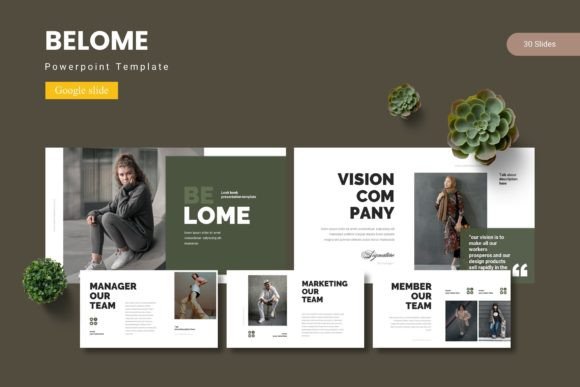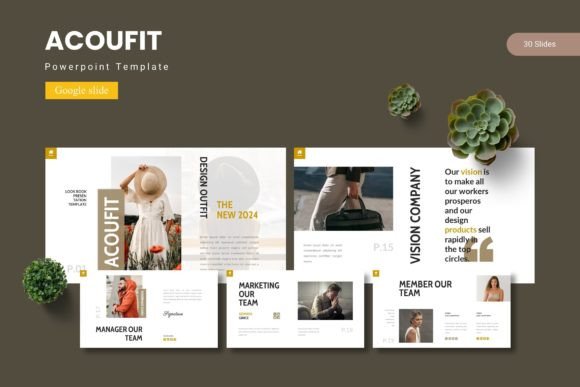
Acoufit - Google Slide Template: Your Blueprint for Visual Cohesion
Staring at a blank presentation slide can feel like standing in front of an open, empty closet with a major event in an hour. You know you need to look polished and put-together, but the sheer volume of decisions—what colors, what fonts, what layout—can be paralyzing. This is where a thoughtfully designed template steps in, not as a creative straitjacket, but as a trusted foundation. Acoufit - Google Slide Template offers precisely that: a structured yet flexible starting point built for professionals who need their ideas to land with clarity and impact, whether they're pitching to investors, training a team, or launching a new product line.
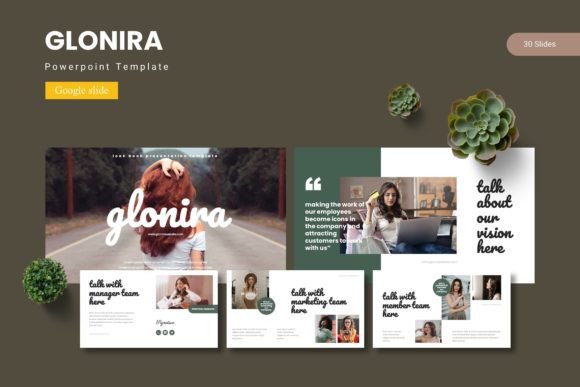
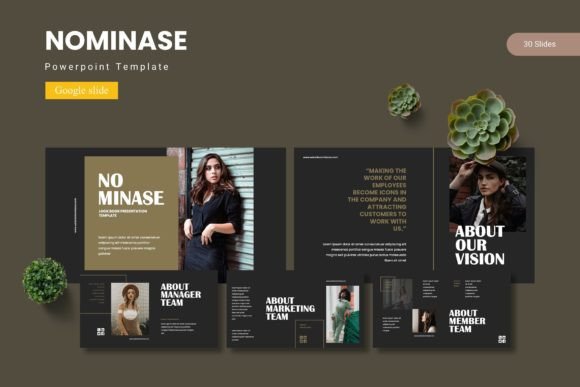
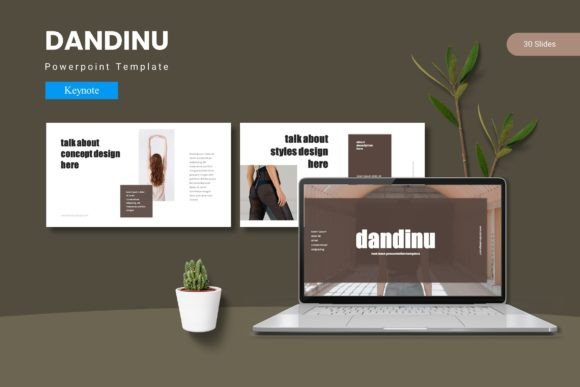
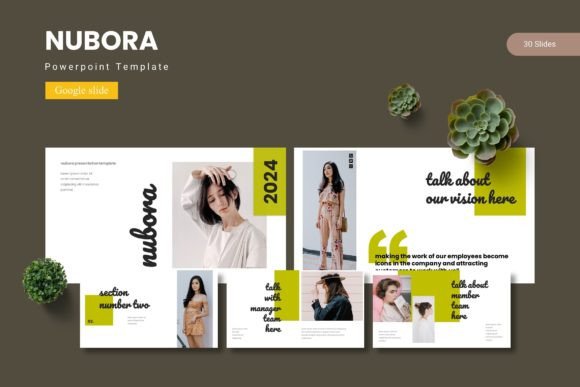
What sets Acoufit apart isn't just its volume of slides, but the intentionality behind its design system. With over 150 total slides distributed across five premade color schemes, it provides a comprehensive visual language. Each of the 30 core slides per template is crafted with a purpose—from section breaks that give your audience a mental pause, to pixel-perfect infographics that transform complex data into digestible stories. The handcrafted elements and master slide foundation mean you're not just filling in boxes; you're working within a cohesive visual framework that ensures every presentation you build feels intentionally designed from the first slide to the last.
A Visual Toolkit for Real-World Projects
Think of Acoufit less as a single presentation and more as a versatile design asset library. Its strength lies in its adaptability across a surprising range of professional and creative applications. For a small business owner, it’s the engine for a consistent brand identity across internal and external communications. Use the same color variation and typographic style for your investor pitch deck, your quarterly team review, and your client onboarding guide. This repetition builds recognition and trust, key components of strong brand equity.
For marketers and content creators, the template system is a powerhouse for producing cohesive marketing assets. Imagine developing a social media graphics campaign where every post, story, and ad carousel visually aligns because they’re all drawn from the same foundational template. The drag-and-drop picture placeholder and resizable graphics make it efficient to adapt core designs for different platforms, saving hours of guesswork and ensuring your visual branding remains consistent from Instagram to your email newsletter headers.
From Presentation to Multichannel Design
The true value of a resource like Acoufit is unlocked when you start thinking beyond the slide deck. The design elements within—clean layouts, balanced typography, and strategic use of negative space—are fundamental principles of strong visual communication that translate directly to other projects. A well-structured slide layout can inspire the grid system for your next website redesign or the composition of a print brochure. The curated color palettes can become the foundation of your entire brand’s color story, informing everything from logo design variations to packaging design and merchandise.
Consider the practical workflow for a creative entrepreneur. You might start by using the Acoufit slides to outline the story and structure for a new online course. The section breaks become module dividers, the infographics explain key concepts, and the portfolio slides showcase student work. From there, you can extract the design language—the specific color hex codes, the suggested font pairings, the style of icons—to create matching worksheets, promotional posters, and even the landing page for the course itself. This creates a seamless experience for your audience, where every touchpoint feels part of the same thoughtful universe.
Practical Advice for Implementation
Getting the most out of any premium template involves a few key steps. First, before you dive into customizing, take time to review all the included slides and the readme file. Understanding the intended structure and the font information provided is crucial for maintaining the design’s integrity. Don’t just swap out placeholder text; consider why the original layout used a particular image size or text block placement. This is where you move from using a template to learning from it.
Second, while the five color schemes offer great starting points, don’t be afraid to adapt them to your exact brand guidelines. Use the provided master slides as your editing backbone—this ensures changes propagate correctly throughout your deck. For font pairings, if the template suggests a specific serif and sans-serif combination, test it out in your own documents. Does the display font work for headlines in your blog graphics? Is the body text legible at smaller sizes on a mobile screen? This kind of hands-on testing is what separates a good-looking presentation from an effective communication tool.
Finally, always be mindful of licensing. Acoufit is designed as a commercial font and template solution, which is vital for any professional use. Ensure you understand the terms for the assets included, particularly the fonts and any graphic elements, so you can use them confidently in client work, digital products, or printed materials without legal ambiguity. This due diligence is a non-negotiable part of professional practice.
Building a Recognizable Professional Presence
In a crowded digital and physical landscape, visual consistency is a superpower. It signals professionalism, builds brand recognition, and makes your content more immediately engaging. A tool like Acoufit - Google Slide Template provides the structure to achieve that consistency efficiently. It’s not about having a rigid, unchanging look, but about having a reliable system that allows for creativity within a coherent visual framework. Whether you’re preparing a keynote, designing a series of educational infographics for your blog, or creating a unified set of social media graphics, starting with a solid, professional foundation lets your unique ideas shine through more clearly. It turns the daunting task of visual communication into a focused, strategic process.