Jeo Portfolio: Showcasing Your Work with Precision
Standing out in a crowded digital space requires more than just talent; it demands a presentation that is as polished and professional as the work itself. For developers, designers, and creative professionals, the portfolio is the cornerstone of their professional identity. It's the first handshake, the initial pitch, and the lasting impression all rolled into one. A cluttered, poorly organized, or outdated portfolio can undermine even the most exceptional skills. This is where a meticulously crafted template system becomes invaluable, offering a structured yet flexible foundation to build upon. The goal is to move beyond simply listing projects and instead, create an immersive experience that guides visitors through your expertise with clarity and style.
A Foundation of Flexibility and Polish
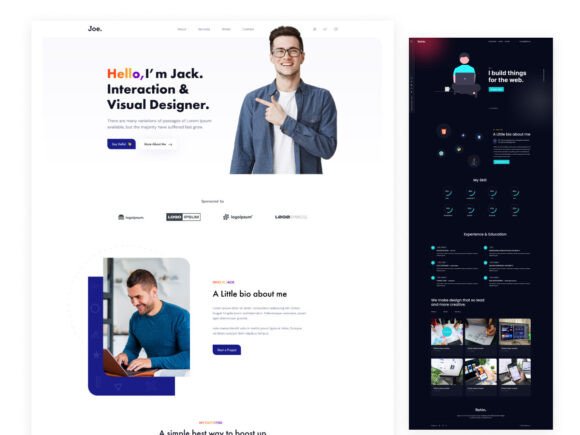
The core of an effective portfolio lies in its ability to adapt to different types of work while maintaining a consistent, high-end aesthetic. A template offering multiple layout options provides this crucial flexibility. Imagine having three distinct starting points for your main portfolio page. One might emphasize large, impactful visuals for a designer or photographer. Another could prioritize clean, code-centric presentations for a developer. A third might blend imagery with concise case study summaries, ideal for a marketing manager or project lead. This variety allows you to select the canvas that best frames your specific narrative from the outset.
Beyond the homepage, depth is key. A single project page template is a missed opportunity. Having two comprehensive project page designs at your disposal is a significant advantage. One template could be built for visual storytelling, perfect for showcasing a design process with mood boards, wireframes, and final mockups. The other might be optimized for technical documentation, allowing a developer to detail the tech stack, challenges overcome, and performance metrics. This dual approach ensures that every piece in your portfolio receives the detailed treatment it deserves, whether it's a branding project or a complex web application.
The Devil in the Design Details
Visual appeal is not subjective; it's built on a foundation of intentional, contemporary design choices. A template that incorporates trendy color palettes and subtle gradients can instantly feel current and engaging without being distracting. However, trendiness must be balanced with timeless principles. Pixel-perfect design ensures that every element, from icons to typography, is crisp and intentional across all screen sizes. A clean and simple style is not about being plain; it's about removing clutter to let your work take center stage. This focus on clarity directly enhances readability and ensures your audience engages with your content, not the framework around it.
For the professional using the template, the experience is just as important as the visitor's. A well-organized file with clearly labeled layers, groups, and artboards is a gift. It transforms customization from a frustrating chore into an intuitive process. Fully customizable and resizable symbols allow you to change a button style once and have it update globally, saving hours of tedious work. The use of free, high-quality Google Fonts and a comprehensive icon library like Font Awesome provides immediate access to professional design assets without additional cost or licensing headaches. This thoughtful organization empowers you to focus on personalization and content rather than fighting the tool.
From Portfolio to Brand Identity
The true power of a robust portfolio template extends far beyond the confines of your "work" section. The visual language established—color schemes, typography, spacing, and component styles—becomes the seed of your entire personal brand identity. This consistency is vital. The same clean sans-serif font used for your project descriptions can be adopted for your blog headings, creating a seamless experience for anyone exploring your site. The color gradient accent used on your portfolio cards can be adapted for your social media graphics, creating instant visual recognition across platforms like Instagram, LinkedIn, and Dribbble.
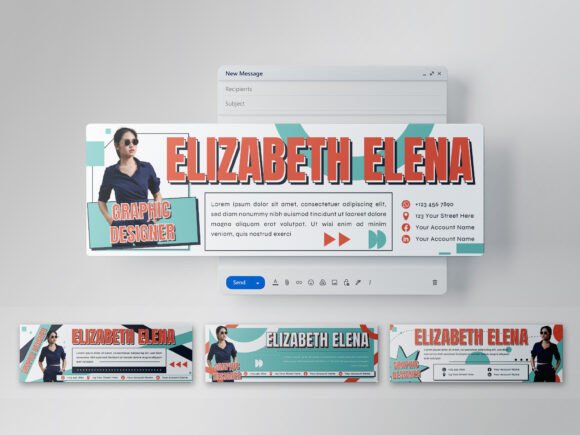
This systematic approach streamlines the creation of all your marketing assets. Need a quick promotional graphic for a new case study? The colors, fonts, and button styles are already defined. Planning to create a simple PDF version of your portfolio to send to potential clients? The design system is ready to be repurposed into a print-ready document. The template becomes more than a website theme; it evolves into a comprehensive design system for your professional presence, ensuring every touchpoint—from your website to your email signature—feels cohesive and intentional.
Ensuring Universal Access and Appeal
A truly professional portfolio must be accessible to everyone. A design that has been tested in a color blindness simulator and meets the requirements of WCAG 2.0 is not just inclusive; it's smarter design. High contrast text, clear focus states, and logical navigation benefit all users, including those on mobile devices in bright sunlight or those using screen readers. This commitment to accessibility demonstrates a meticulous attention to detail and a respect for your audience—qualities any client or employer would value.
Ultimately, the goal is to remove barriers between your work and the people who need to see it. A well-structured, visually coherent, and easy-to-navigate portfolio allows your projects to speak for themselves. It builds trust through its professionalism and makes it effortless for a potential client to understand the value you offer. By providing a solid, adaptable, and beautifully crafted foundation, such a template allows you to focus on what you do best: creating exceptional work, and then presenting it in a way that truly resonates.